
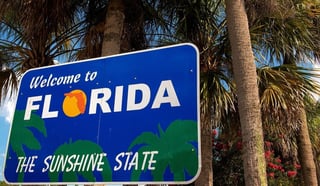
Florida draws nearly every type of mover imaginable. Retirees are drawn to year-round warmth. Young professionals are drawn to no state income tax. Families are drawn to affordable square footage and outdoor living.
But moving to Florida means choosing between lifestyles that look nothing alike. Finding the best fit can make the difference between a move that feels easy and one that takes more adjustment.
Choosing where to live in Florida gets easier once you separate the state into four different ways of life. Along the way, you can weigh the tradeoffs newcomers often miss and narrow your search based on your routine, your budget, and the kind of future you want to build there.
Key Takeaways: Moving to Florida
- Florida offers dramatically different lifestyles depending on whether you land in Miami, Orlando, Jacksonville, or Tampa.
- No state income tax saves money, but property insurance and humidity-related maintenance costs add up fast.
- Traffic congestion varies widely by metro area, and it shapes commute times, errands, and weekend plans.
- Matching your priorities to the right city before you move prevents costly second moves down the road.
Which Version of Florida Fits You
Florida draws a wide mix of movers because the state offers very different ways of living from one region to the next. A family looking for convenience, a retiree looking for waterfront calm, and a professional looking for city energy may all be drawn to Florida, but not to the same place.
The key is not choosing Florida in general. It is choosing the version of Florida that fits your daily routine once the move is over.
Miami: Big-City Energy and Coastal Culture

Miami is Florida's most internationally connected city. The metro area functions as a gateway to Latin America and the Caribbean, and that influence shows up in the food, the music, the business landscape, and the languages you hear on the street.
If you want urban density, a thriving arts scene, and nightlife that competes with major global cities, Miami delivers.
The job market leans heavily toward finance, international trade, hospitality, and a growing tech sector that has attracted venture capital firms and startup incubators. Neighborhoods like Brickell, Wynwood, and Coral Gables each offer distinct personalities, from high-rise professional corridors to arts-driven commercial districts to tree-lined residential neighborhoods.
The tradeoff is cost. Housing in Miami-Dade County runs well above the state average, and traffic through the metro corridor is among the most congested in the Southeast. Property insurance premiums in coastal South Florida also tend to be higher than inland areas due to hurricane exposure.
If that combination of cultural energy and coastal living appeals to you, explore the full breakdown in the Miami city guide.
Orlando: Family Routines and Everyday Convenience

Orlando has quietly become one of the fastest-growing metro areas in the country, and it is not because of the theme parks. The region has attracted major employers in healthcare, defense technology, and simulation engineering, building an economy that extends far beyond tourism.
For families, Orlando offers relatively affordable housing compared to coastal metros, a wide selection of public and charter schools, and a suburban layout built around everyday convenience. Grocery stores, pediatricians, youth sports leagues, and community centers are woven into nearly every neighborhood cluster.
The humidity in Central Florida is intense through summer, and afternoon thunderstorms are a daily occurrence from June through September. Growth has also strained local roads, so commute times can surprise newcomers used to smaller cities. For a closer look at the numbers and neighborhoods, explore the Orlando city guide.
Jacksonville: Space, Beaches, and a More Practical Rhythm

Jacksonville is the largest city by land area in the contiguous United States, and that space translates into something tangible: room. Lots are larger, housing is more affordable per square foot, and you can find neighborhoods that feel genuinely uncrowded.
The city sits in Northeast Florida, which means the climate is slightly more temperate than the southern part of the state. Winters bring occasional cold snaps, and the beaches along the Atlantic coast have a laid-back, locals-first feel that differs sharply from South Beach or Clearwater.
Jacksonville's economy leans on logistics, finance, healthcare, and a significant naval presence at Naval Air Station Jacksonville and Naval Station Mayport. The tradeoff is that public transit options are limited, and the city's sprawling layout means a car is essential for nearly everything.
For retirees and remote workers, that tradeoff often feels minor when weighed against the savings. Jacksonville also offers a growing craft brewery and restaurant scene along the St. Johns River, and the beaches at Atlantic Beach and Neptune Beach provide a quieter coastal alternative. Learn more in the Jacksonville city guide.
Tampa: Waterfront Living with Metro Access

Tampa sits on the western coast along Tampa Bay, and it has evolved into one of Florida's most balanced metro areas. The city combines waterfront access, professional sports, a growing food scene, and a diversified economy anchored by healthcare, finance, and tech startups.
Housing costs in Tampa have risen sharply in recent years as the metro has attracted both remote workers and corporate relocations. The Hillsborough and Pinellas County areas offer a range of neighborhoods, from urban condos in Channelside to family-friendly suburbs in Wesley Chapel and established waterfront communities in St. Petersburg.
Traffic on the Howard Frankland Bridge and along I-275 is worth factoring into your routine, and flood zones along the bay are something to keep in mind during the home search.
Tampa also benefits from proximity to St. Petersburg and Clearwater, giving you access to Gulf Coast beaches without living directly on the coast. The region supports a strong healthcare system anchored by major hospital networks, making it appealing for retirees who prioritize medical access. For a deeper look at what Tampa offers, visit the Tampa city guide.
The Florida Realities to Know Before You Move
What the Climate and Weather Really Mean for Daily Life
Florida weather is one of the biggest draws, but daily life also means planning for humidity, storms, and more upkeep than some newcomers expect.
- Summer changes your routine. High humidity and frequent afternoon storms can affect everything from commute timing to how often you plan outdoor errands.
- Winter is when many areas feel most livable. The cooler stretch from roughly October through April is a big part of Florida’s day-to-day appeal.
- Storm season can influence where you feel comfortable buying. Hurricane preparedness, evacuation routes, and flood exposure are worth weighing alongside lifestyle and price.
What Costs Add Up Beyond the Home Search
Florida can look appealing on paper because there is no state income tax, but the full cost picture usually depends on insurance, utilities, and home upkeep. If you want a more practical budgeting framework, Atlas Van Lines also offers a guide to estimate moving expenses.
- Insurance can vary a lot. Property and, in some areas, flood coverage can have a big effect on monthly housing costs.
- Utilities are worth factoring in. Air conditioning runs for much of the year, which can push summer bills higher.
- Upkeep is part of the budget. Pest control, HVAC servicing, and humid-climate maintenance are common recurring costs.
Why Traffic, Growth, and Local Logistics Matter More Than Expected
Convenience can feel very different from one Florida metro to another, so it helps to compare how each city fits your actual routine.
- Try mapping the trips you would make every week. In one city, the challenge may be rush-hour traffic, while in another it may be how spread out schools, errands, and social plans are.
- Be honest about how much driving you want to do. Some parts of Florida feel easier if you are comfortable being in the car often, while others work better if you want more nearby options.
- Use neighborhoods, not just city names, to compare fit. A grocery run, school route, or commute can feel completely different depending on which part of the metro you choose.
How to Narrow Your Search Before You Move
Questions to Ask Before Choosing a Florida City
Before you start browsing real estate listings, run through these questions honestly. The answers will point you toward one version of Florida over another.
- What does your ideal weekday look like? A 15-minute suburban commute to a corporate campus suggests Orlando or Jacksonville. A walk to a coworking space and lunch at a Cuban café points toward Miami.
- How important is proximity to water? Tampa and Jacksonville both offer waterfront neighborhoods, but the character of each coastline is very different.
- What is your household's risk tolerance for weather events? Coastal South Florida faces more direct hurricane exposure than inland Central Florida.
- Do you need strong public schools or proximity to universities? Orlando and Tampa both have large, well-regarded school districts and major state universities.
- What is your all-in monthly budget, including insurance and maintenance? The no-income-tax advantage means less if your insurance and HOA payments offset the savings.
Once you have narrowed your list to one or two Florida cities, the next step is pressure-testing how each one would feel in real life, not just on paper. If you can, visit during a hotter month so you get a more honest sense of the heat, humidity, traffic, and pace of daily life. Drive the routes you would actually use, spend time in the neighborhoods rather than only the highlights, and compare convenience, distance, weather, and routine costs together before making your final choice. If you are planning a long-distance move, Atlas also has a helpful guide on how to move cross-country in 8 steps.
Ready to Plan Your Florida Move?
Florida offers more than one kind of next chapter, and that is what makes it such an exciting place to consider. The best fit comes from choosing the city and neighborhood that match the way you want everyday life to feel once you are settled in.
As you narrow your search, come back to the city guides linked throughout this article and compare the places that feel most aligned with your pace, priorities, and budget. A little extra clarity now can make the whole move feel smoother later. If you want a practical next step, find your local Atlas agent or request a free moving quote. The more thoughtfully you plan now, the easier it becomes to move forward with confidence.

FAQs About Moving to Florida
Is Florida an affordable state to move to?
Florida has no state income tax, which creates meaningful savings on earned and investment income. However, overall affordability depends on where you settle. Jacksonville and parts of Central Florida tend to be more budget-friendly than Miami or coastal Tampa. Factor in property insurance, flood insurance, and HOA fees to get an accurate picture of your monthly costs.
What is the best city in Florida for families?
Orlando and Tampa both offer strong public school systems, family-oriented suburbs, and access to outdoor recreation. Orlando's Central Florida location provides proximity to theme parks and a growing job market in healthcare and technology. Tampa adds waterfront access and a slightly more urban feel. Atlas Van Lines publishes detailed city guides for both metros to help families compare neighborhoods and school districts.
How does Florida's hurricane season affect homeowners?
Hurricane season runs from June through November. Most Florida homeowners prepare with impact-rated windows or shutters, emergency supply kits, and an evacuation plan. Insurance costs reflect this risk, especially in coastal counties. Inland areas like Orlando face lower direct hurricane exposure but still experience tropical storms and heavy rain.
What should I know about Florida traffic before moving?
Traffic congestion varies significantly across the state. Miami and Tampa rank among the most congested metros in the Southeast, while Jacksonville's challenge is distance rather than density. Orlando's growth has increased commute times on major corridors. Atlas Van Lines recommends researching commute patterns for your specific neighborhood before committing to a home.
How do I start planning a long-distance move to Florida?
Start by narrowing your destination city using the lifestyle and budget questions in this guide. Then connect with a local Atlas agent who can coordinate packing, transportation, storage, and vehicle shipping for your specific route. Atlas Van Lines offers free moving quotes online, and agents in Florida cities understand local logistics like delivery windows, building access rules, and seasonal scheduling considerations.
Does Florida have good public transportation?
Public transit coverage varies by metro. Miami has a Metrorail system, a Metromover downtown loop, and an expanding bus network. Orlando operates the SunRail commuter rail along a north-south corridor. Tampa and Jacksonville rely primarily on bus service, and most residents depend on personal vehicles. If walkability or transit access is a priority, research the specific neighborhood you are considering.